
Clinic Mastery Marketing

Case study · Podiatry · Healesville, VIC

Hurst Podiatry · The last year or twoOver 300 booked in, and enquiries doubled

Brenton had tried running ads himself and cycled through a few agencies, and neither got any real cut through. Some months a couple of thousand dollars went to campaigns delivering very few, very poor quality clients, in his words. Since Pete took over, Brenton puts it at over 300 respondents booked in over the last year or two, on $1,000 to $2,500 a month in ad spend. New patient enquiries in a typical week went from 20 to 30 to 40 to 50, his count. The books sit at a steady flow, and the clinic has kept expanding while targeting the type of patients it actually wants to see.

ads.google.com / overview

The last year or two

2x

New patient enquiries

Podiatry · Healesville, VIC

300+

Patients booked in

Real client. Real numbers.

2x

New patient enquiries

From 20 to 30 a week to 40 to 50, Brenton's count

300+

Patients booked in

His count, over the last year or two

$2,500

A month in ad spend, at most

His range: $1,000 to $2,500

Steady

Where the books sit today

A flow he calls very cost effective

Enquiries in a week, his count

A quiet week now sits above the best week before.

30, the old best week

20 to 30
40 to 50

Before, a typical week

Now, a typical week

Brenton's own ranges for new patient enquiries in a typical week, before and now. His count, not our ad account tracking.

The starting position

Where the clinic was when we started.

Brenton describes the marketing before as pretty haphazard. Hurst Podiatry tried a number of things: running ads themselves, a few different agencies, a few different strategies. Nothing got any real cut through or a decent return.

The cost swung between two poles. With agencies, a couple of thousand dollars a month could go to campaigns delivering very few, very poor quality clients. Self managed, the money stayed in the clinic but the time cost was huge. Staying current in digital marketing while juggling clinical management was, in Brenton's words, just about impossible.

The decision to get help came from a growth plan. Brenton wanted to bring on new clinicians and expand the business, and that takes new patients. He had worked with Pete in business coaching for a long time, so when Pete started this up, Hurst Podiatry was one of the earlier clinics to jump on board. Nothing nearly stopped him: no fixed contracts and minimal startup costs made it a pretty simple decision.

What we did

The work, in the order we did it.

Took over the Google Ads campaign end to end.

Before, ads were something the clinic ran between agencies and its own attempts, without cut through. Pete took the campaign over completely. By Brenton's count, over 300 respondents have been booked in over the last year or two since, and he calls it a very cost effective form of advertising.
Ran Meta Ads alongside search.

Google catches the people already searching for a podiatrist. Meta puts the clinic in front of the ones who are not searching yet. Running both gave Hurst Podiatry more than one channel feeding the same steady flow.

Wired in conversion tracking.

Unmeasured campaigns were exactly what the agency years had produced. With tracking in place, the spend can be traced to the enquiries it brings in. That is what lets Brenton say what the advertising costs and what it returns, instead of guessing.

Kept it simple and refined it fast.

The standout for Brenton is the simplicity of the way Pete breaks things down, and the quality of the reports. Every time the clinic wanted to change or refine something, new and better ways to attack the problem came back. He puts part of that down to Pete coming into marketing as a clinic owner and clinician first, with a real connection to what a clinic is trying to build.

What each way of running ads cost

The swing between paying too much and doing too much, resolved.

The agency years

MoneyA couple of thousand a month
TimeLow, someone else ran it

Very few, very poor quality clients. His words.

Running it themselves

MoneyNot huge
TimeHuge, and just about impossible to stay current

No significant results.

Handed to Pete

Money$1,000 to $2,500 a month
TimeVery little effort or input at their end

Over 300 booked in across the last year or two, his count.

The bar lengths are a sketch of how Brenton describes each state in his own words, not measurements. The dollar figures are his.

The numbers

Before and after, line by line.

Every figure in this table is Brenton's own count and his own words, not our ad account reporting. A typical week used to bring 20 to 30 new patient enquiries and now brings 40 to 50, on $1,000 to $2,500 a month in ad spend. He puts the tally over the last year or two at more than 300 patients booked in.

New patient enquiries in a week

Before

20 to 30

After

40 to 50

+20

Patients booked in from the ads

Before

Very few, poor quality

After

Over 300 in a year or two

His count

Monthly ad spend

Before

A couple of thousand, to agencies

After

$1,000 to $2,500

His range

Time spent on marketing

Before

Huge, self managed

After

Very little effort or input

Handed over

Return on the spend

Before

Poor returning campaigns

After

Very cost effective

His words

What the flow buys

Over 300 booked in, and the choices that come with them.

300+patients booked in, by Brenton's count

Cash flow is oxygen to a business, in Brenton's analogy. A steady flow of the right patients is what gives him the choice on:

How much he works, and the type of work he does

Whether to bring more team members on

The type of patients the clinic takes on

What gets reinvested back into the business

The 300 is Brenton's own count of respondents booked in across the last year or two, from his words: "I think, over 300". Not a tracked conversion figure. The choices are his own list.

We've seen extraordinary growth in the last year or two, and Pete and his marketing and guidance have been a big part of that. It's really enabled us to start to achieve the kind of things we wanna do.

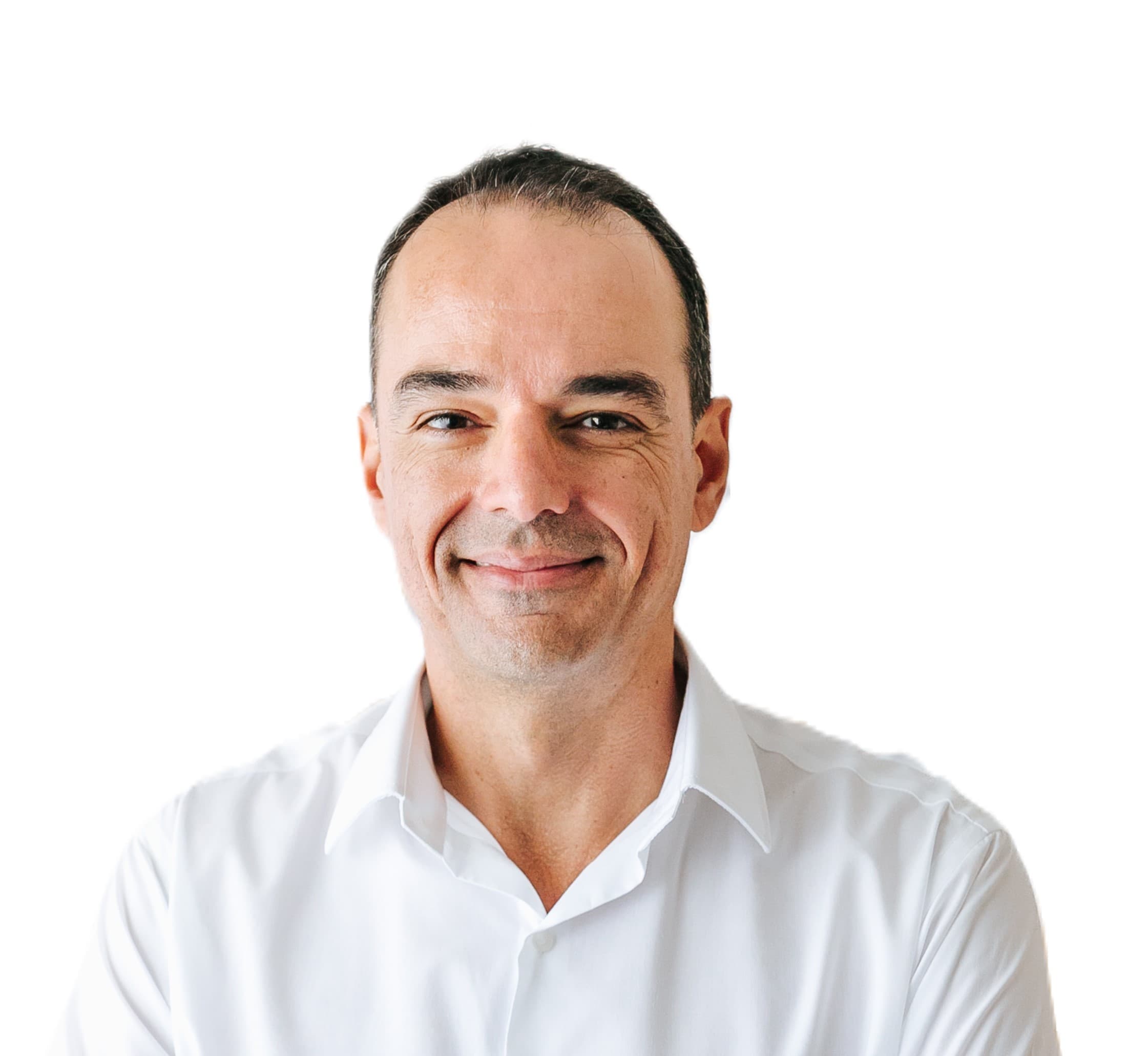
Brenton HurstDirector and Principal Podiatrist, Hurst Podiatry

What's next

Where the work goes from here.

The point of the steady flow, for Brenton, is optionality. Cash flow is oxygen to a business, in his analogy, and it lets him choose how much he works, who joins the team, the type of patients the clinic takes on, and what gets reinvested back into the business. The plan from here is more of that: keep the enquiries coming at a spend the clinic controls, keep the reports naming what worked, and keep refining whenever Hurst Podiatry hits a new problem worth attacking.

Ready when you are

We'll show you what your clinic's version of this looks like.

Tell us about your clinic. We'll come back with a one-page plan: which patients to target, which to skip, and what 90 days should realistically deliver.

More stories

Other clinics doing the work.

Looking for our general approach? See how we run Google Ads for podiatry clinics.