Clinic Mastery Marketing

Case study · Physiotherapy · Sydney, NSW

4D Health and Performance · Inside the first year20 to 30 enquiries a week, in David's count

Marketing at 4D Health and Performance barely existed. David had thrown together a quick Google campaign at $20 a day, with no way to track a lead, and it slid onto the too hard list. We rebuilt Google Ads, built landing pages and wired up conversion tracking, with the ads rolling within a week. By David's count, new patient enquiries went from 10 to 15 a week to 20 to 30. Word of mouth held steady while Google and social referrals grew, all on under $1,000 a month in ad spend.

ads.google.com / overview

Inside the first year

2x

New patient enquiries

Physiotherapy · Sydney, NSW

1 week

From starting to ads rolling

Real client. Real numbers.

2x

New patient enquiries

From 10 to 15 a week to 20 to 30, David's count

1 week

From starting to ads rolling

His words, not ours

$20

A day, the old campaign

Set and forgotten, with nothing tracked

Growing

Where the books sit today

On under $1,000 a month in ad spend

A week of enquiries, before and now

The same week, holding twice the new patient enquiries.

Before, a typical week

10to15enquiries

Solid blocks to 10, lighter blocks for the weeks that run up to 15.

Now, a typical week

20to30enquiries

Solid blocks to 20, lighter blocks for the weeks that run up to 30.

David's own count of new patient enquiries in a typical week, before we started and now. Not a tracked ad account figure.

The starting position

Where the clinic was when we started.

Marketing at 4D Health and Performance barely existed, and that is David's own description. He had thrown together a quick Google search campaign, but had no way to track leads and no idea how to optimise keywords or build strong campaigns. It ran at $20 a day, with no way to tell whether anyone was booking from it, or even seeing it.

They had tried before. An agency focused on SEO, then their own campaigns, with little success either way. In David's words, it just became another task on the too hard list.

The clinic had grown largely off word of mouth and professional referrals, so ads felt optional. Cost nearly stopped him going ahead too. What changed his mind was working with Clinic Mastery and understanding what effective marketing could do: if money was going into it, he wanted someone to set it up and do it properly.

What we did

The work, in the order we did it.

Rebuilt the Google Ads account instead of patching it.

The old campaign was $20 a day, set and forgotten. We rebuilt it properly, structured around the patients the clinic actually wants. David's version of the timeline: Pete came in and had the ads rolling within a week.

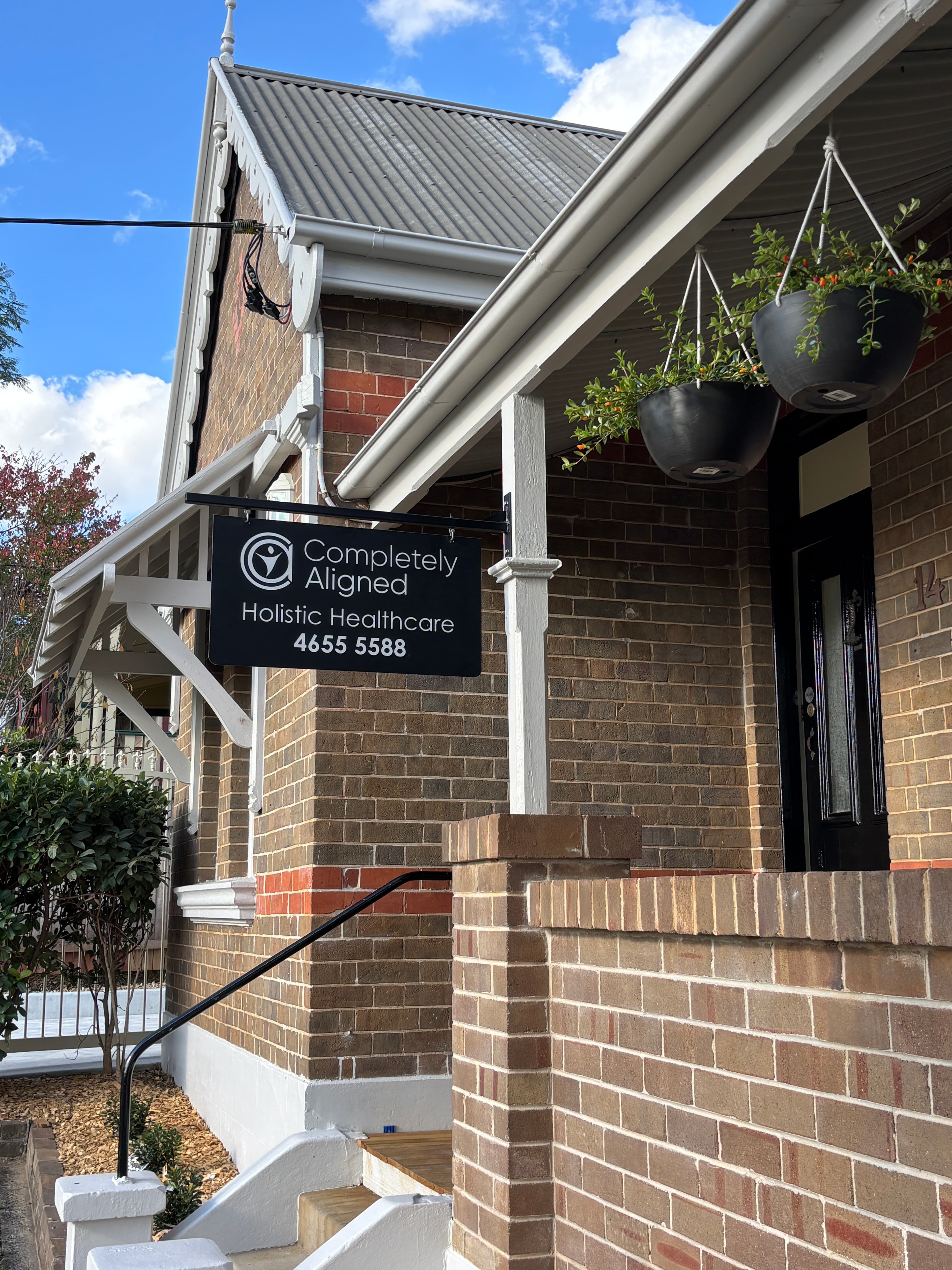
Built landing pages for the campaigns to land on.

4D Health and Performance covers physiotherapy, chiropractic, exercise physiology and high performance training. One generic website page was never going to carry paid traffic for all of that. The campaigns got landing pages built to match what the person searching actually wants.

Wired conversion tracking in so the spend could be traced.

No tracking was the reason ads sat on the too hard list in the first place. You cannot manage what you cannot see. Now the enquiries the campaigns produce are counted, which is what makes the reporting worth reading.

Kept the format simple and actioned changes fast.

This is the part David says stands out. He knows every month exactly where the money went, what was effective and what wasn't. And when he wants changes, they get actioned almost immediately.

Off the too hard list

The same job, moved from the too hard list to a monthly rhythm.

Before

Another task on the too hard list

$20 a day, set and forgotten

No way to track a lead

No idea if anyone even saw the ads

Now, every month

A report David actually reads, then acts on

Where the money went, every month

What was effective, what wasn't

Changes actioned almost immediately

Then the loop runs again the next month.

Both columns are David's own words of how it ran before and how it runs now.

The numbers

Before and after, line by line.

Every figure in this table is David's own count and his own words, not our ad account reporting. Enquiries in a typical week doubled. The referral channels the clinic grew up on held steady, which means the growth came on top of them rather than instead of them.

New patient enquiries in a week

Before

10 to 15

After

20 to 30

2x

Google and social media referrals

Before

Untracked

After

Growing steadily

Up

Word of mouth and professional referrals

Before

Steady

After

Steady

No change

Knowing where the money went

Before

No way to tell

After

Every month, line by line

Fixed

Ad spend

Before

$20 a day

After

Under $1,000 a month

Now tracked

Where the growth came from

The growth stacked on top of word of mouth. It did not replace it.

Before, a typical week

10 to 15 enquiries

Word of mouth and referrals

Now, a typical week

20 to 30 enquiries

Still steady
Google and social, on top

The grey base is the referral flow the clinic grew up on, still there. The purple segment is what the campaigns added on top of it.

Drawn from David's counts and his description: enquiries went from 10 to 15 a week to 20 to 30, with word of mouth and professional referrals steady while Google and social grew. The split is his read of the mix, not tracked channel attribution. Bars use the high end of both his ranges.

Working with the Clinic Mastery team and the marketing team in particular has freed up my time to focus on the internal workings at my clinic. Having a professional team who all know and understand what we do and the services we offer has meant I don't have to worry about the quality of the ads. Highly recommend.

David Abi-ArrageDirector, 4D Health and Performance

What's next

Where the work goes from here.

The plan from here does not change much, because the point is that it runs without David managing it. Spend stays under $1,000 a month while the enquiry flow holds, the monthly reporting keeps naming what worked and what did not, and changes keep getting actioned as he calls them. The books are growing, and the next move on budget happens when the books ask for it.

Ready when you are

We'll show you what your clinic's version of this looks like.

Tell us about your clinic. We'll come back with a one-page plan: which patients to target, which to skip, and what 90 days should realistically deliver.

Looking for our general approach? See how we run Google Ads for physiotherapy clinics.